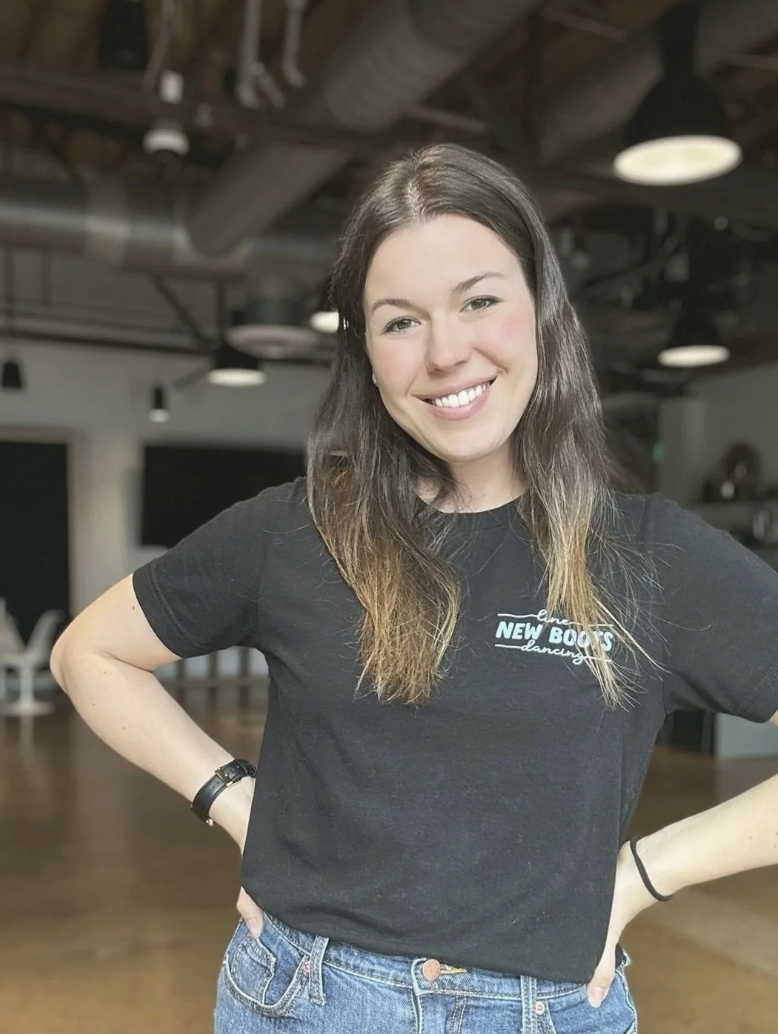
Hey y’all, its Jess at New Boots Line Dancing. After nearly a decade of owning New Boots Line Dancing, I’ve encountered every question we can possibly get from our customers. One of the most common questions is what the difference is between types of country dancing (line dance, square dance, two step, and even other styles all get thrown into the same conversation).
Country dance has exploded in popularity over the past few years (Tiktok, anyone?). From packed honkytonks in Nashville to dance floors across the country, more people than ever are putting on their boots and stepping into the world of social dance. If you’re new to this scene, you’ve probably heard terms like line dance, two step, and square dance and wondered what actually makes them different.
While all three styles fall under the umbrella of country or folk dancing, they each have unique structures, music styles, partner requirements, and cultural roots. Understanding the difference can help you choose the right dance for your goals whether that’s having fun on a night out, attending a wedding or corporate event, or learning a new skill.
Let’s break down the key differences between line dance, two step, and square dance so you can confidently step onto any dance floor.
What Is Line Dancing?
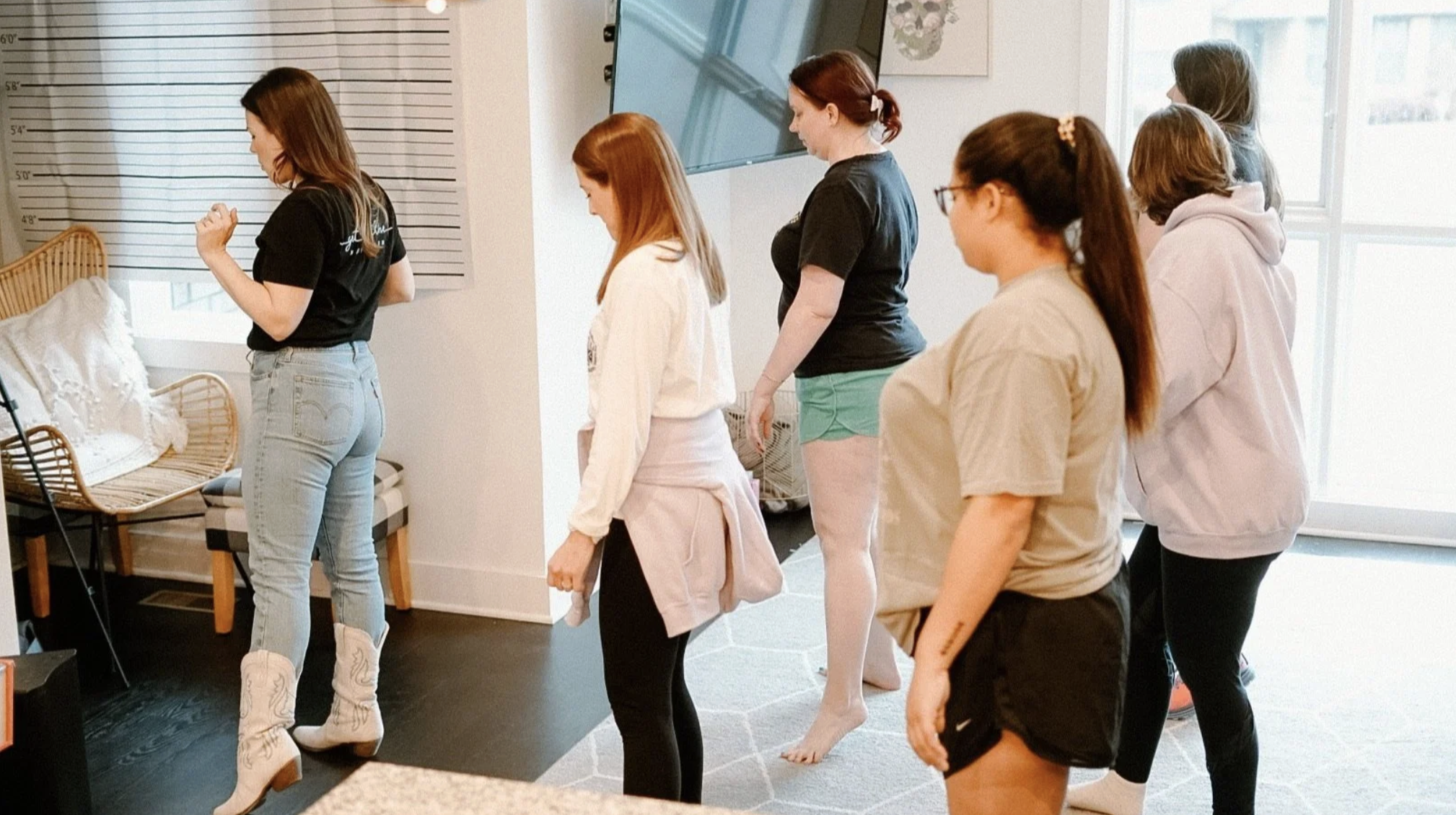
Line dancing is one of the most accessible and beginner-friendly dance styles. Unlike partner dances, line dancing is performed individually, with dancers arranged in rows (or “lines”) all facing the same direction. This makes it extra fun because you can do it by yourself but also allows large groups of people to come together. It is the perfect type of dance for socialization.
How It Works
Each dance follows a set choreography, meaning everyone performs the same steps at the same time. These dances are taught in advance or called out during a class, making it easy for beginners to jump in even if they’ve never danced before.
Line dances range from simple, repetitive patterns to more advanced routines with turns, directional changes, and rhythmic accents.
Music
Line dancing is most commonly associated with country music, but modern line dances are also choreographed to pop, hip-hop, Latin, and throwback hits. Songs by artists like Luke Combs, Shania Twain, Beyoncé (‘Cowboy Carter’, anyone?!), and even Taylor Swift (you may not expect for “Love Story” to be such a line dance jam, but it is!) are frequently used.
Why People Love Line Dancing
No partner required
Easy to learn and follow
Great for large groups
Builds confidence quickly
Perfect for social settings and events
Line dancing is especially popular at bachelorette parties, corporate events, festivals, and dance halls because it gets everyone involved regardless of age or experience. This is why we specialize it line dance- it is great for bringing community together. It allows New Boots to show off the strong community we have in our city and bring visitors together with locals.
What Is Two Step?
Two step is a partner dance and one of the most iconic styles you’ll see in country dance halls. Unlike line dancing, two step focuses on one-on-one connection, lead-and-follow technique, and movement around the dance floor. It is great for couples (and it can be romantic!).
How It Works
Two step typically follows a “quick, quick, slow, slow” rhythm, with partners moving counterclockwise around the floor. One person leads (traditionally the leader), while the other follows, responding to subtle cues and direction changes.
Because it’s a partner dance, two step allows for improvisation. While there are basic steps, spins, and turns, no two dances are exactly the same.
Music
Two step is danced to traditional and modern country music with a steady, traveling beat. Think artists like George Strait, Brooks & Dunn, Midland (one of our personal favorites), and Cody Johnson.
Why People Love Two Step
Romantic and personal
Emphasizes connection and musicality
Great for couples or date nights
Looks impressive once mastered
Two step is often considered the “classic” country dance and is a staple at honky-tonks and country weddings.
What Is Square Dancing?
“Grab a partner, Do-si-do” is a phrase that you may remember from Square Dances in elementary school (I personally went to one!). Square dancing is a traditional group partner dance rooted in American folk history. It’s structured, communal, and often more formal than line dancing or two step.
How It Works
Square dancing typically involves four couples arranged in a square formation. A caller directs the dance by calling out specific moves, such as “do-si-do,” “promenade,” or “allemande left,” which dancers execute in real time.
Unlike line dancing, square dancing requires dancers to listen closely and react quickly to the caller’s instructions. The choreography changes constantly, making each dance unique.
Music
Square dancing is traditionally set to folk, bluegrass, or old-time country music, often played live. The tempo can vary, but the rhythm supports the caller’s instructions.
Why People Love Square Dancing
Strong sense of community
Mental challenge and teamwork
Rich cultural tradition
Social and interactive
Square dancing is commonly seen at community events, festivals, and organized dance clubs rather than bars or honky-tonks.
Key Differences at a Glance
While these dances share a country-western influence, their formats are very different.
Line Dance
No partner required
Fixed choreography
Dancers face the same direction
Beginner-friendly
Common at bars, parties, and events
Two Step
Requires a partner
Lead-and-follow style
Dancers move around the floor
Romantic and fluid
Common at honky-tonks and weddings
Square Dance
Multiple couples required
Caller-led choreography
Dancers interact constantly
Traditional and structured
Common at festivals and clubs
Which Dance Is Right for You?
Choosing the right dance style depends on your personality, goals, and environment.
If you want something fun, social, and easy to learn, line dancing is a great starting point. It’s especially ideal if you’re attending a group event or don’t have a partner.
If you enjoy connection, rhythm, and movement with a partner, two step might be your style. It takes a bit more practice but is incredibly rewarding once you get comfortable.
If you love tradition, teamwork, and mental challenges, square dancing offers a unique experience rooted in history and community.
Many dancers eventually learn all three and that versatility makes social dancing even more enjoyable.
Why Line Dancing Is Often the Best Entry Point
For beginners, line dancing is often the gateway into the country dance world (and we’re not just saying that because we’re bias!). It removes the pressure of partnering and focuses on repetition, dancers can relax, have fun, and build confidence quickly. We have a decade of proof that it is one of the most fun and affective ways of bringing people together.
Once comfortable with rhythm and movement, many people naturally transition into two step or explore square dancing later on.
This is why line dance lessons are so popular for:
Corporate team-building events
Bachelorette and birthday parties
Tourists visiting Nashville
Beginners who want instant fun
Line dance, two step, and square dance may share a country soundtrack, but each offers a completely different experience. From the independence of line dancing to the romance of two step and the tradition of square dance, there’s something for everyone.
No matter which style you choose, the most important part is the same: get out on the dance floor and have fun. Country dance is about community, confidence, and connection whether you’re dancing solo, with a partner, or as part of a group.
If you’ve ever been curious about trying one of these styles, there’s no better time to start than now. New Boots Line Dancing is the best place to start, and we would love to host your lesson! Come GET IN LINE with us!